Water meters are installed long-term in various environments, such as kitchens, bathrooms, utility rooms, underground meter vaults, and outdoors, where dust, grease, limescale, moss, cobwebs, rust, and other contaminants can easily accumulate on their surfaces and surrounding areas. Regular cleaning helps keep the meter’s surface, dial, and surrounding areas clean, but improper cleaning methods may damage the meter body, anti-corrosion coating, and sealing components, and may even affect the electronic components of smart water meters.
This guide primarily covers safe methods for cleaning the external surfaces of water meters, including cleaning precautions, key points for cleaning meters made of different materials, and standard cleaning procedures.
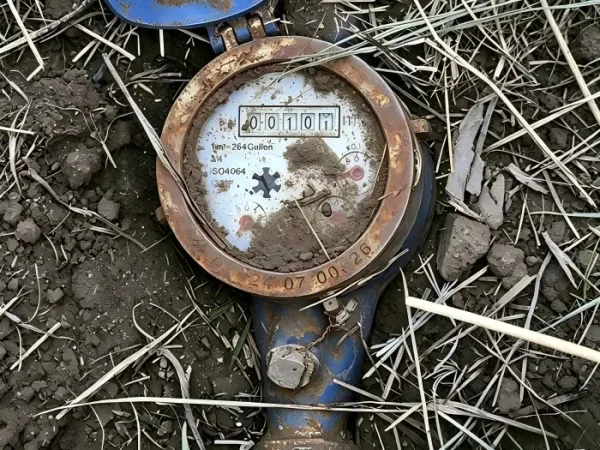
1. Precautions for Cleaning Water Meters
① Do Not Disassemble on Your Own
For standard household water meters, the core principle of daily maintenance is: clean only the exterior; do not touch the interior. In other words, you may wipe down the external surface of the water meter, the meter box, and the surrounding area, but never disassemble the water meter on your own to avoid damaging internal components or compromising measurement accuracy.
If water enters the meter, fog forms inside, readings are abnormal, or mechanical malfunctions occur, do not attempt to resolve the issue yourself. Contact the water utility or a professional technician immediately. Smart water meters have even more intricate internal mechanisms, making unauthorized disassembly even riskier.
② Pre-Cleaning Procedures
Before you begin cleaning, there are a few things you need to confirm first:
- If you need to access connected components such as valves or filters, first close the upstream main valve, open the downstream faucet to release pressure, and drain any residual water from the pipes before proceeding.
- When using chemical cleaners—even mild ones—it is recommended to wear rubber gloves to avoid skin contact.
- If the water meter is located in a well or enclosed space, ensure adequate ventilation to prevent oxygen deprivation or the buildup of harmful gases.
③ Avoid Improper Methods
Many people, seeking to save time, use methods that seem efficient but can actually damage the meter, such as: using high-pressure water jets or corrosive cleaners, or using hard tools like steel wool pads or metal scrapers. These methods carry the risk of damaging the water meter or its surrounding circuitry. For smart water meters in particular, special care must be taken to prevent moisture from entering the electronic connectors before cleaning.

2. Cleaning Tips for Water Meters of Different Materials
The basic methods for routine cleaning of water meters made of different materials are generally the same—typically involving wiping with warm water, a neutral detergent, and a soft cloth. However, since different materials vary in their corrosion resistance, chemical resistance, and surface treatments, the appropriate cleaning method should be selected based on the material’s characteristics.
① Metal Water Meters
When cleaning brass, cast iron, and stainless steel water meters, special attention should be paid to protecting the metal surfaces and anti-corrosion coatings.
- Brass water meters are prone to oxidation, dullness, and verdigris. Minor oxidation can be treated locally with a small amount of white vinegar or citric acid solution; severe oxidation requires a specialized brass cleaner.

- Cast iron water meters usually have an anti-corrosion coating; avoid vigorous scrubbing and acidic rust removers to prevent damage to the coating. If extensive rust or coating peeling occurs, it is recommended that a professional inspect and address the issue.

- Although roestvrijstalen watermeters are corrosion-resistant, they may still develop limescale, rust spots, and stains. Use a stainless steel-specific cleaner with a non-abrasive cloth; avoid steel wool, metal scrapers, and chlorine-based bleach.

② Plastic Water Meters
Plastic water meters offer good corrosion resistance, but some plastic materials are susceptible to high temperatures, organic solvents, and scratches from tools. When cleaning, avoid using excessively hot water, alcohol, gasoline, acetone, and other organic solvents, as well as steel wool, sandpaper, and metal scrapers, to prevent surface scratches, whitening, cracking, or deformation.
Plastic water meters installed outdoors should also be protected from prolonged exposure to sunlight and high temperatures to minimize material aging.

3. Water Meter Cleaning Steps
After inspecting the water meter’s condition, shutting off the water supply as necessary, and relieving pressure, proceed with cleaning in the following order: “dry before wet, whole before parts, and finish by wiping dry.” Throughout the process, follow the principles of gentle handling, minimal water use, no disassembly, and no scraping.
Step 1: Inspect the Water Meter
Before cleaning, inspect the meter housing, glass, connection points, lead seal, and meter box to ensure they are intact, and record the current water meter reading.
If you discover a cracked meter body, damaged glass, obvious water leakage, internal water accumulation, persistent fogging, or abnormal readings or displays, stop cleaning immediately and contact the water supply department or a professional for assistance. Severely damaged water meters should be repaired or replaced and should not continue to be used.
Step 2: Remove Dust and Spider Webs
First, use a dry, soft-bristled brush to remove dust, spider webs, and other loose debris from the meter housing, the edges of the dial, connection points, valves, and the interior of the meter box.
It is recommended to clean from top to bottom and from the outside in to prevent dust from settling back onto already cleaned areas. After cleaning, promptly remove any debris from the meter box; do not blow dust directly into the meter body or electronic ports.
Step 3: Wipe the Meter Housing and Dial
Use a soft cloth dipped in warm water and a small amount of neutral detergent. Wring the cloth until it is half-dry, then wipe the meter housing and glass dial.
When wiping, avoid allowing liquid to seep inside along the edges of the glass, seals, lead seal holes, or the electronic interfaces of smart water meters. Dried-on stains on the dial can be softened with a damp cloth before gently wiping them away; do not use razor blades, metal scrapers, or abrasive tools. The interior walls of the meter cabinet, the cabinet door, and surrounding areas such as valves can also be cleaned using the same method.
Step 4: Spot Treatment of Stubborn Stains
For stubborn stains such as limescale, moss, mud, and grease, use a soft-bristled brush with a neutral detergent for spot treatment.
Thick limescale can be softened first with a damp cloth, then gently removed using a non-metallic tool such as a plastic scraper. Moss and grease can be treated by repeated wiping or light brushing.
For water meters made of different materials, select the appropriate cleaning method based on the material-specific requirements mentioned earlier. Avoid using strong acids, strong alkalis, organic solvents, steel wool, or metal scrapers, and do not subject the water meter to high-pressure washing.
Step 5: Wipe Off Detergent with Clean Water
After cleaning, use a clean, damp cloth to wipe down the water meter, dial, and surrounding areas to remove any remaining detergent or dirt.
Keep the cloth slightly damp, especially near smart water meters and electronic interfaces; do not allow water to flow directly into crevices. If necessary, repeat the wiping process until the surface is free of visible foam or a slippery feeling.
Step 6: Thoroughly Dry and Inspect
Finally, use a dry, lint-free soft cloth to dry the water meter, dial, connection points, and meter box, paying special attention to areas prone to water accumulation, such as the edges of the meter glass, threads, and grooves.
Once cleaning is complete, slowly restore the water supply and check the water meter connections for any new leaks or seepage. For smart water meters, also verify that the LCD screen and communication functions are working properly.
If you discover any leaks, water ingress, display abnormalities, or other malfunctions, stop using the meter and contact the water utility or a professional for assistance.
Need Help with Water Meter Cleaning?
If you need cleaning guidance for water meters purchased from BMAG-meter, welcome to contact our team for professional technical support and usage advice.


