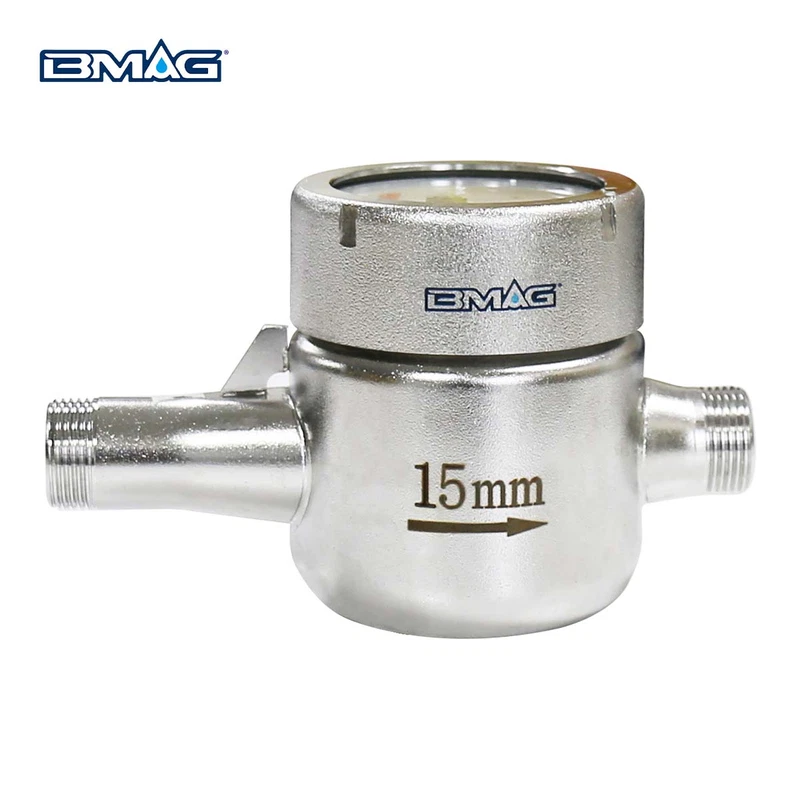
Many homes use a single su sayacı to measure water consumed in kitchens, bathrooms, laundry rooms, and outdoor gardens. However, some properties have an additional irrigation meter to measure water used specifically for lawns, gardens, and other outdoor irrigation needs.
So, what is the difference between an irrigation meter and a regular water meter? Can a regular water meter be used for irrigation? And why can installing a separate irrigation meter sometimes help reduce your water bill?
This article compares the purposes, water usage measurement, installation arrangements, and performance requirements of both meters. It also explains how separate irrigation metering can affect your water bill and when installing an additional meter may be necessary or worthwhile.
An irrigation meter measures water consumption in irrigation systems, typically recording the total volume of water flowing through a dedicated irrigation supply line.
1. What Is an Irrigation Meter?
An irrigation meter measures water consumption in irrigation systems, typically recording the total volume of water flowing through a dedicated irrigation supply line.

Common applications include:
- Residential Lawns and Gardens:Measure water used for lawns, gardens, and other outdoor plants, helping homeowners understand their irrigation consumption.
- Commercial Landscape Irrigation:Monitor water consumption in parks, golf courses, commercial properties, and other large landscaped areas.
- Agricultural Irrigation:Measure water used for fields and crops, providing data for irrigation planning and water management.
Irrigation meters can use mechanical, electromagnetic, or other suitable measurement technologies, much like regular water meters. Small garden systems may use meters similar to residential models, while large agricultural systems often require larger meters designed for higher flow rates and different water quality conditions.
Some irrigation meters also support remote reading and flow monitoring for easier water management.
2. What Is a Regular Water Meter?
A regular residential water meter measures household water consumption and is typically installed near the property’s main water service connection. It records the total volume of water supplied to the home and provides data for utility billing.
Residential meters measure water used in kitchens, bathrooms, laundry rooms, and other household fixtures. If an irrigation system is connected downstream of the main meter, its water consumption is also included.

Unlike a separate irrigation meter, a regular residential main meter does not distinguish household consumption from irrigation use. Homeowners who want to track irrigation water separately may need an additional meter on the irrigation supply line.
3. Irrigation Meter vs Water Meter: Key Differences
Both irrigation meters and regular residential water meters measure the volume of water flowing through a pipe. However, they can differ in their intended applications, the water they measure, installation arrangements, and size requirements.
| Comparison | Irrigation Meter | Regular Residential Water Meter |
| Purpose and water usage measured | Separately measures water used for lawns, gardens, farmland, and landscape irrigation | Measures water passing through the residential main meter, including household use and any irrigation supplied through it |
| Installation | Installed on a dedicated irrigation service line or downstream irrigation branch | Typically installed near the residential water service connection |
| Common sizes | Small systems may use smaller meters, while large irrigation systems may use DN50–DN300 (nominal sizes of approximately 50–300 mm) | Common sizes include 5/8″ (approximately 15 mm), 3/4″ (20 mm), and 1″ (25 mm) |
| Billing | May be used for irrigation monitoring or separate billing where permitted | Typically used to calculate total residential water consumption for billing |
① Purpose and Water Usage Measured
A regular residential water meter measures overall household consumption, including indoor use and irrigation water passing through the main meter. An irrigation meter specifically measures water supplied to lawns, gardens, farmland, or other landscaped areas.
For example, suppose a household uses 20 m³ of water per month, including 15 m³ for household activities and 5 m³ for garden irrigation:
- Main Meter Only: Records the total 20 m³ without distinguishing household use from irrigation.
- With an Irrigation Submeter: The main meter still records 20 m³, while the submeter separately measures the 5 m³ used for irrigation.
This allows homeowners to track irrigation consumption independently of other household water use.
② Installation Arrangements
A regular residential water meter is typically installed near the property’s main water service connection. Irrigation meters can be installed in two common configurations:
- Dedicated Irrigation Service: A separate metered supply connection bypasses the residential main meter, allowing household and irrigation water to be measured independently.
- Irrigation Submeter: A second meter is installed on the irrigation branch downstream of the main meter, which continues to record total water consumption.

Both arrangements provide separate irrigation readings, but their use for official billing or sewer charge adjustments depends on local utility regulations. Homeowners should confirm approved configurations, meter requirements, and installation permits before proceeding.
③ Meter Sizes and Performance Requirements
Irrigation and residential water meters may use similar measurement technologies, but their sizes depend on water demand.
Residential meters commonly come in 5/8″ (approximately 15 mm), 3/4″ (20 mm), and 1″ (25 mm) sizes. Small garden irrigation systems may use similar meters, while larger agricultural or commercial systems may require DN50–DN300 (nominal sizes of 50–300 mm) to accommodate higher flow rates.
BMAG Irrigation Water Meter Size

Water quality also matters. Residential meters typically measure treated water, while irrigation systems using untreated sources may contain sediment or debris. Meter selection should therefore consider flow rates, water quality, and installation conditions.
4. How Can a Separate Irrigation Meter Affect Your Bill?
In some areas, a separate irrigation meter can help reduce water bills by changing how sewer charges are calculated. Using reclaimed water at a lower rate may offer additional savings. However, actual savings depend on local utility policies, water consumption, and installation costs.
① Why Sewer Charges May Be Based on Water Meter Readings
Household water utility bills often include two main types of charges:
- Water Charges:Fees based on the amount of water supplied for household and irrigation use.
- Sewer Charges:Fees for wastewater collection and treatment, sometimes calculated using water meter readings.
A water meter measures the water supplied to a property, not the wastewater discharged. While most indoor water eventually enters the sewer system, much of the water used for lawns and gardens soaks into the ground or evaporates.
For this reason, some utilities allow qualifying irrigation consumption to be excluded from sewer billing calculations.
② Separating Irrigation Use from Sewer Billing
Even when irrigation uses the same municipal water supply as the home, separate metering may reduce sewer charges.
For example, suppose a household uses 20 m³ of water monthly, including 15 m³ indoors and 5 m³ for irrigation. Where permitted, an approved irrigation meter may allow sewer charges to be calculated using only the 15 m³ of indoor consumption rather than the full 20 m³.
According to the City of Tampa’s irrigation meter guidelines, eligible customers can install a separate irrigation meter so sewer usage charges are based on indoor consumption, while both indoor and outdoor water remain subject to water charges.
A separate irrigation meter does not reduce actual water consumption. It provides the data needed for different billing treatment, which must be approved by the local utility.
③ Reclaimed Water Rates Are a Separate Issue
Another potential way to lower irrigation costs is to use reclaimed water, which is treated wastewater suitable for approved non-potable uses such as landscape irrigation.
Some utilities charge lower rates for reclaimed water than for regular potable water. For example, the City of Tampa’s reclaimed water program offers a lower reclaimed water usage rate and has announced a limited-time program waiving certain meter application and installation fees for eligible customers.
Other expenses, such as piping work and permits, may still apply.
The distinction is that separate metering of potable water may reduce sewer charges, while reclaimed water may lower water supply charges. Both depend on local policies and eligibility.
④ Installation Costs, Fixed Fees, and Net Savings
Installing a separate irrigation meter may involve additional costs, including:
- Meter and Application Costs:Meter purchase, installation, and application fees, unless eligible for waivers.
- Piping and Equipment:Irrigation piping modifications, backflow prevention devices, and required permits.
- Ongoing Fees:Additional monthly base charges, service fees, or maintenance costs.
For example, Tampa’s separate irrigation meter program adds a monthly base charge and removes the existing sewer maximum billing arrangement. Qualifying reclaimed water connections may receive certain fee waivers, but installation permits and related costs still apply.
Therefore, lower sewer charges or reclaimed water rates do not always mean lower total costs. Homeowners should compare potential savings with installation expenses, ongoing fees, and local billing rules before deciding.
5. When Do You Need a Separate Irrigation Meter?
Not every irrigation system requires a separate meter. The decision depends on water management needs, local billing policies, and installation regulations.
① When Separate Irrigation Data Is Needed
A separate irrigation meter helps homeowners, businesses, and agricultural operators track irrigation consumption independently.
Homeowners can monitor lawn and garden water use, while commercial and agricultural users can manage water budgets across different irrigation areas. Regular meter readings may also help identify unusual consumption that could indicate leaks.
Even without billing benefits, separate metering can improve irrigation water management.
② When Local Billing Rules Make It Worth Considering
A separate irrigation meter may reduce water bills if the local utility allows qualifying irrigation use to be excluded from sewer charges.
However, savings depend on local billing rules, irrigation consumption, installation costs, and any additional service fees. Homeowners should confirm these details before installing a meter.
③ When Separate Irrigation Meters Are Required
Some local regulations require separate irrigation meters for certain new developments.
For example, Portland City Code Section 21.30.070 requires separate irrigation metering for qualifying new nonresidential developments with at least 1,000 square feet (93 m²) of irrigated area.
Similarly, Half Moon Bay Municipal Code Section 13.05.060 includes separate irrigation metering requirements for certain developments with landscaped areas of 5,000 square feet (465 m²) or more.
④ When the Existing Metering Arrangement Is Sufficient
For homes with small gardens or limited irrigation needs, the existing main water meter is often sufficient.
If separate irrigation tracking is unnecessary and there are no billing benefits or legal requirements, installing another meter may only add costs. A separate irrigation meter is therefore not essential for every property.
About BMAG Irrigation Water Meters
BMAG is a water meter manufacturer offering solutions for residential water supply, agricultural irrigation, commercial, and industrial applications.
Our product range includes Konut Su Sayaçları for household water consumption and Irrigation Water Meters for agricultural and landscape irrigation.
Looking for a suitable water meter? Contact BMAG to discuss your application and find the right metering solution.