A faulty compteur d'eau often affects the normal meter reading function, resulting in an inability to accurately determine water charges and causing property losses. This article will take you through some of the signs of a faulty water meter and its potential causes and solutions. This article also introduces some typical failures of different types of water meters, methods for troubleshooting water meter failures, etc., to help you avoid financial losses caused by water meter failures.
Signs of a Faulty Water Meter: Potential Causes and Solutions
Signal 1: Unexplained Increase in Water Bills
If your water usage habits have not changed, such as not watering the lawn more, no guests staying overnight, and no new hot tub installed, but your water bill has suddenly increased, this may be a sign that the water meter is faulty.
What might be going on?
On the one hand, there may be a fault inside the water meter, a pipe leak, or an illegal takeover. On the other hand, the water meter may has been tampered with.
What to do: First check if there is a leak in your home, such as a faucet, toilet, water pipe joint, or even a basement. If the possibility of a leak is ruled out, you can contact a professional to inspect, repair, or replace the water meter.
Signal 2: The Appearance of the Water Meter is Damaged
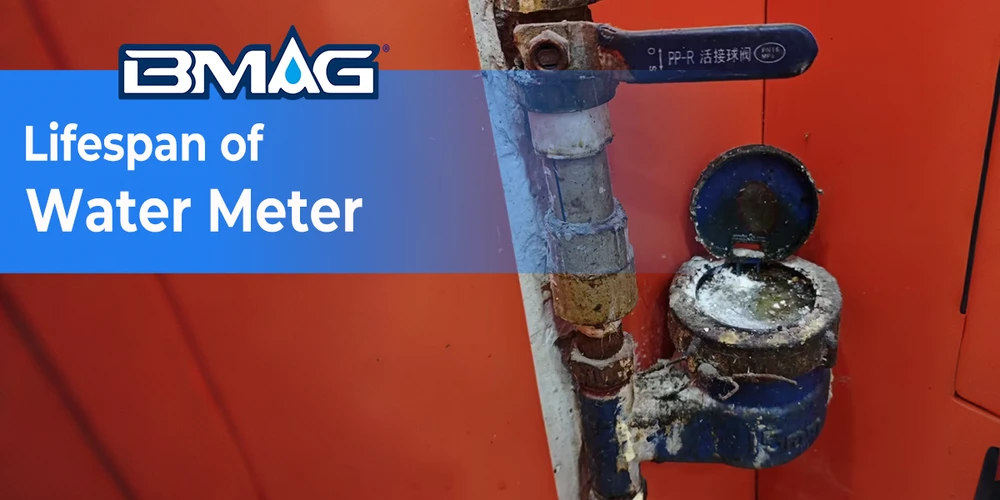
Signs of water meter damage such as cracks, corrosion or rust may cause the water meter to not work properly.
What causes this?
Improper installation or poor water quality, long-term use, exposure to extreme weather (freezing) and other problems may cause water meter damage.
What to do: If you find that the wear of the water meter seriously affects the normal operation of the water meter, contact a professional for repair or replacement. In addition, you can install and use a coffret de compteur d'eau to improve the durability of the water meter.


Signal 3: Water Leakage around the Water Meter
What might be going on?
It may be caused by a poor seal of the water meter, a ruptured internal pipe or improper installation.
What to do: Wipe the area around the water meter dry to see if water accumulates again. If water accumulates again, please immediately close the main valve and contact a professional for problem troubleshooting and treatment.
Signal 4: Abnormal Display on the Digital Screen
If you are using a compteur d'eau intelligent, you can determine whether the water meter is faulty by whether there is an abnormality on the water meter screen. Common abnormalities include: blank display, garbled flashing or no updated data.


What might be going on?
It may be caused by low battery of the water meter, display failure or communication line problem.
What to do: Check the battery power of the water meter. If the battery power is low, replace the battery in time. If the display fails, contact a professional for repair or replacement. In addition, it is necessary to check whether the communication line is connected normally to ensure smooth data transmission.


Signal 5: The Water Meter Makes Strange Noises
What might be going on?
It may be caused by damage to the internal movement of the water meter, stuck debris or unstable water pressure.
What to do: Contact a professional to check whether there is debris stuck inside the water meter or the movement is damaged. If you suspect that the water pressure is unstable, consult the utility company to find out whether a pressure regulator needs to be installed.
Signal 6: Abnormal Water Pressure
Abnormal changes in water pressure can be judged by the strength of the water flow. If you feel that the water flowing out of the faucet is weaker or stronger than usual, it may be a problem with the water meter or water valve.
What might be going on?
It may be caused by improper installation of the water meter, pressure fluctuations in the water supply network, problems with the water supply equipment, and blockage of the water meter.
What to do: Use a pressure gauge to test your home’s water pressure. If the water pressure fluctuates greatly, contact a professional. Sometimes, simply moving the water meter to a better location or installing a pressure regulating valve can solve the problem.
How to Check if Your Water Meter is Faulty?
To check if your water meter is faulty, you can follow these steps:
Step 1: First, turn off all faucets and water-using devices in your home, including the water inlet valve of the toilet. Observe whether the water meter moves. If the water meter moves without using water, it may be a leaky pipe or a water meter failure.
You may also interested in: Unveiling the Mystery of Water Meter Spinning But No Leak – BMAG METER
Step 2: Record the water meter readings at the same time every day for several consecutive days. If the readings vary greatly, it may be a water meter failure.
Step 3: Observe the external condition of the water meter. For example, check if the water meter is obviously worn and damaged? Are the accessories leaking or rusting? Is the dial fogged? Is there any leak around the dial? Etc.
Step 4: Try to compare the water pressure of different faucets. If the pressure before and after the meter is significantly different, further inspection may be required.
Common Problems with Different Types of Water Meters
| Water Meter Type | Issue Type | Possible Causes | Solutions |
| Mechanical Meters | Self-rotation of meter | ·pipe pressure fluctuations water hammer ·check valve failure ·air pockets ·improper installation | ·install resilient check valve ·adjust installation position ·remove air and debris |
| Inaccurate measurement | ·Incorrect meter sizing ·overuse causing impeller wear ·poor water quality (impurities) | ·Select correct meter size ·replace regularly ·install filters | |
| Poor sensitivity | ·Improper starting flow rate setting ·inaccurate measurement at low flow | ·Choose meter model based on actual usage ·avoid oversizing or undersizing | |
| Improper installation | ·Installed at an angle ·insufficient straight pipe length before/after the meter | ·Install on straight pipe section ·ensure stable positioning | |
| Electronic Meters | Faults or reading errors | ·Circuit failure ·low battery ·IC card issues ·communication failure | ·Replace battery ·check card ·contact technician |
| Display inaccuracy | ·Sensor malfunction ·data storage errors ·communication interference | ·Check sensor ·clean filters ·ensure communication is stable | |
| Auto shut-off / won’ t open | ·Improper use (partially opened) ·control card error ·magnetic interference | ·Recharge card ·check magnetic interference ·consult technician | |
| Prepaid Meters | Recharge failure | ·Card inserted incorrectly ·damaged card ·meter failure ·insufficient balance | ·Insert card correctly ·replace card ·contact utility provider |
| Large metering error | Improper meter selection, aging meter, poor installation | Choose proper model, regular maintenance and replacement | |
| Leaks or poor sealing | Loose installation, aged sealing ring, poorly sealed meter box | Reinstall meter, replace sealing ring, ensure good enclosure | |
| Remote Meters | Inconsistent readings | ·Unstable communication ·internal failure ·data storage problems | ·Check communication signal ·professional inspection ·regular calibration |
| Short battery life | ·Battery aging ·high communication frequency ·high power consumption | ·Replace battery ·optimize transmission intervals ·use low-power models | |
| Complex installation | ·Complex structure ·high technical requirements ·prone to faults if misinstalled | Ensure installation by qualified personnel following technical standards | |
| Electromagnetic / Ultrasonic Meters | Magnet wear (electromagnetic) | Magnet degradation over time affecting accuracy | ·Regular inspection ·replace worn parts |
| Susceptibility to impurities (ultrasonic) | Impurities interfere with ultrasonic signal | ·Install filters ·clean pipes regularly | |
| Incorrect installation position | ·Sensitive to pipe layout ·affected by vibration and water hammer | ·Install in proper straight pipe section ·avoid vibrations and surges |
FAQ
Q: How often should I check my water meter?
It’ s a good idea to check your water meter every month or at least once every few months. When you check it, look for a few key things:
- Any leaks where the pipes connect to the meter
- Whether the meter is actually working (the dial or pointer should move when water’ s being used)
- If the water meter dialis clean and easy to read
- For outdoor meters, make sure they’ re protected from freezing and damage
Q: When should I replace my water meter?
Water meters don’ t last forever. How long yours lasts depends on how much water runs through it, the quality of the meter, and even local rules. That said, even if it’ s not “due” for replacement, you should swap it out if:
- The readings are way off
- It stops working properly
Q: What should I do if my water meter isn’ t working right?
Don’ t try to take it apart yourself—it’ s not worth the risk or hassle. Call a licensed professional or your water company to take a look and either fix or replace it.
Q: How can I tell if it’ s a faulty water meter or a leak somewhere else?
Good question! Here are some quick ways to figure it out:
- Turn off all water in your home. If theLow-flow indicatoron water meter dial is still spinning, you probably have a leak.
- Check for visible leaks. Look around sinks, toilets, and showers for any dripping.
- Toilet trick: Add a few drops of coloring into your toilet tank. If the color ends up in the bowl without flushing, you’ ve got a leak.
- Track the meter. Turn everything off, wait 30 minutes, then check the meter again. If the number went up, there’ s likely a leak.
Q: How can I prevent water meter problems?
To keep your meter running smoothly:
- Check it regularly
- Avoid sudden pressure surges; if needed, install a pressure reducer
- Clean the filter (if your meter has one) to stop debris from clogging things up
- Use a protective meter box, especially if your meter is outside
Q: How do I know if my water meter is accurate?
Here are a few simple checks you can do:
- No water test: Turn off everything and see if the meter stays still. If it moves, something’ s off.
- Bottle test: Use a known-size bottle (like a 1.5L soda bottle), fill it up, and compare that to what the meter shows.
- Track usage: Record your meter reading every day for a few days. If your water use is steady but the numbers bounce all over, the meter might be off.
- If in doubt, call a pro to do a proper accuracy test.