1. Immediate Emergency Steps: What to Do When Your Water Meter is Stolen
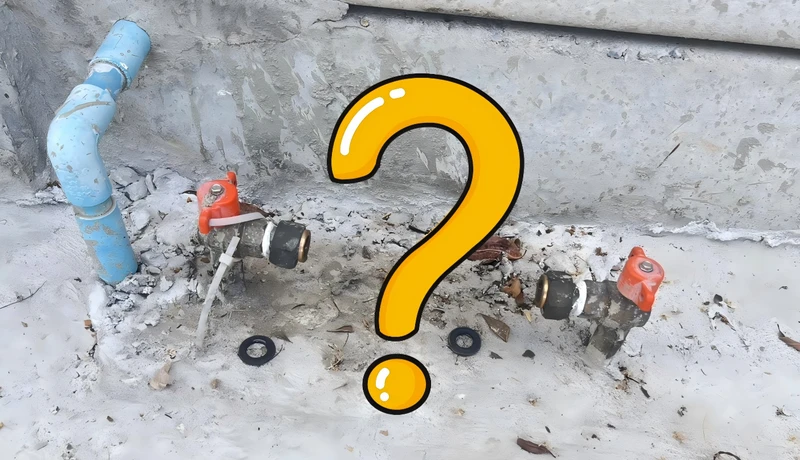
When a water meter was stolen, immediate pressure loss and high-velocity water discharge at the boundary box occur. To mitigate municipal water loss and structural erosion, follow these engineering steps:

1. Isolate the Feed: Locate the municipal boundary stopcock (normally situated immediately upstream of the meter cradle) and rotate it fully clockwise to shut off the main municipal supply.
2. Document the Damage: Take high-resolution geotagged photographs of the severed pipework, focusing on any damaged connection threads, municipal couplings, or bypassed valves.
3. File a Police Report: To initiate the municipal recovery workflow, immediately file a theft report at your nearest South African Police Service (SAPS) station to obtain a formal Case Number. Knowing how to report stolen water meter infrastructure is critical to avoiding liability for unauthorized water consumption or tampering penalties.
2. Navigating the Municipal Process: Who Pays and How to File a Claim
The financial and operational responsibility for municipal water meter replacement South Africa is divided between the municipality (asset owner of the physical meter) and the property owner (responsible for safeguarding the installation boundary).
Utilities such as the City of Johannesburg (Joburg Water), City of Cape Town, or Nairobi Water require the property owner to submit:
- A certified copy of the owner’s ID.
- The latest municipal account statement.
- The SAPS police affidavit containing the Case Number.
These documents are necessary to process and wave or invoice the stolen water meter replacement cost, which typically ranges from R1,500 to R4,500 depending on the meter connection diameter (DN15 to DN25) and site accessibility.
3. The Technical Solution: Upgrading to Non-Valuable Composite Polymer Meters
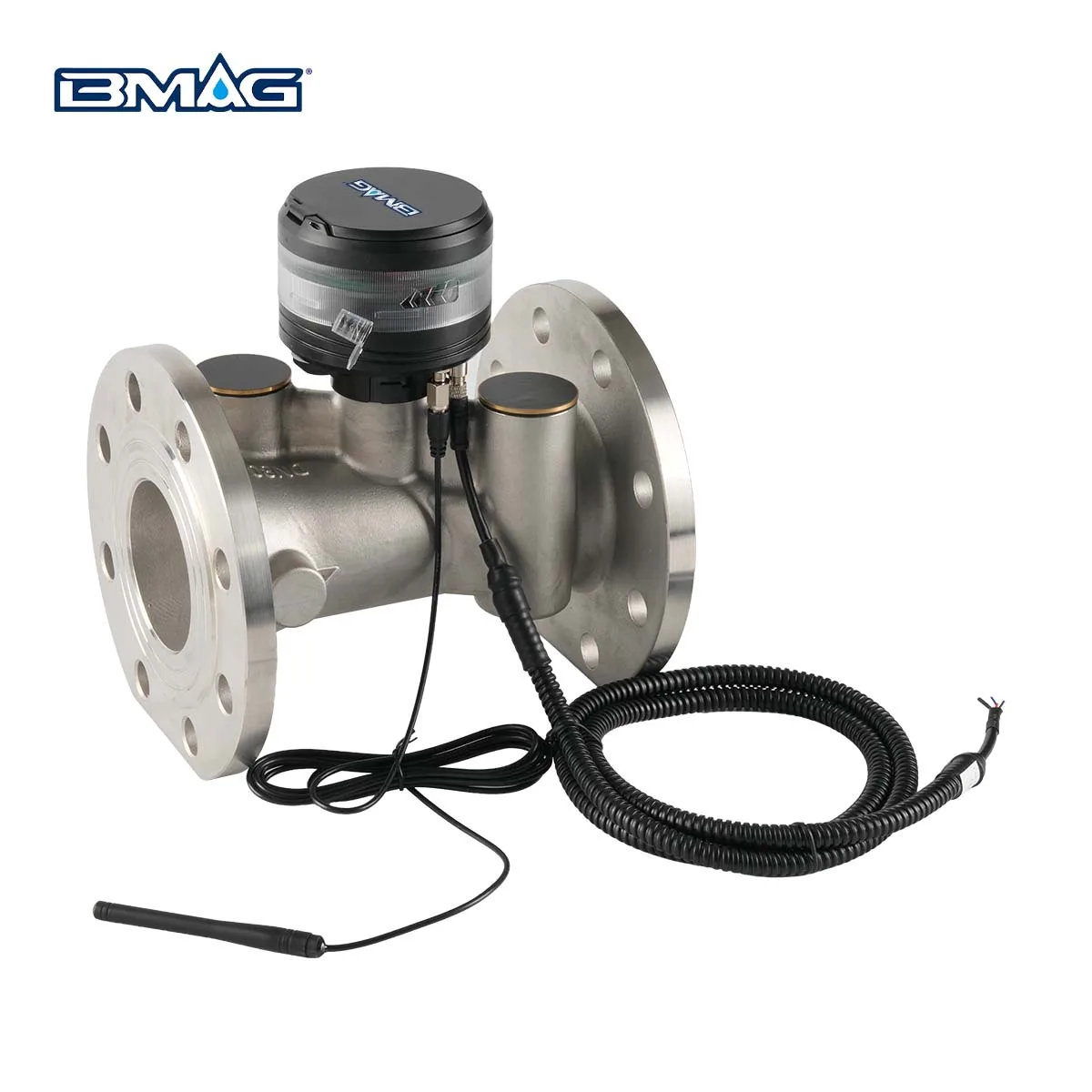
Brass meters are targeted by syndicates for their scrap metal value. Upgrading to an anti theft water meter constructed from high-grade composite polymer (e.g., glass-fiber reinforced nylon) completely eliminates scrap value while maintaining metrological accuracy under ISO 4064 and OIML R49 standards.
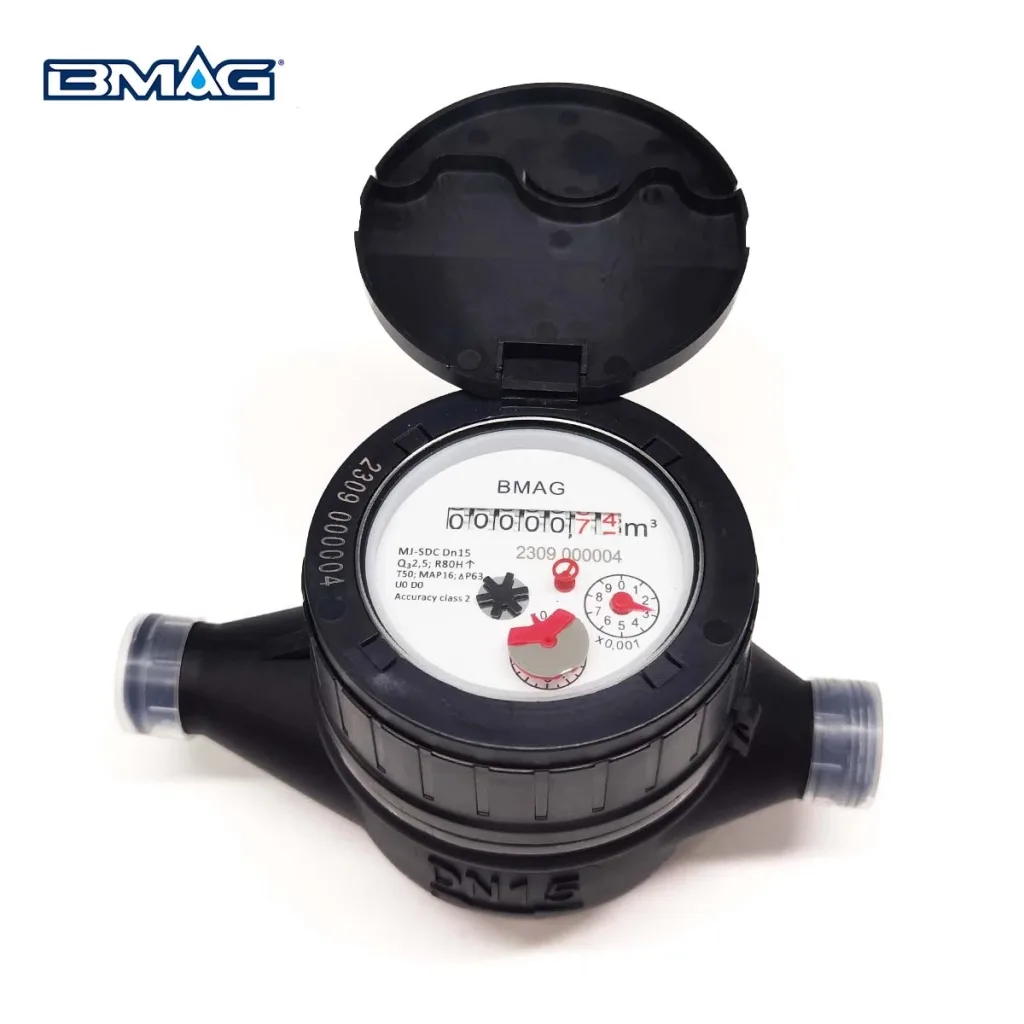
| Parameter | Mechanical (Multi-Jet Composite) | Ultrasonic (Transit-Time Composite) |
|---|---|---|
| Material Composition | Glass-Fiber Reinforced Polymer | Heavy-Duty Engineered Thermoplastic |
| Metrological Class | ISO 4064 Class R160 | OIML R49 Class R400 |
| Scrap/Resale Value | Zero (Anti-theft design) | Zero (Anti-theft design) |
| IP Rating & Comms | IP68 / Pulse Output | IP68 Copper-Can / LoRaWAN (SF7–SF12) |
For smart ultrasonic meters with integrated telemetry, the long-term battery life expectation can be modeled using the following discharge equation:
L = C / [I · (1 – D) + I · D]
Nerede:
- L = Expected battery lifetime (hours)
- C = Battery capacity (Ah)
- I = Quiescent sleep current (μA)
- I = Transmission current peak during LoRaWAN uplink (mA)
- D = Duty cycle ratio of the transceiver (time / time)
4. Secure Protective Measures: Enclosures and Anti-Tamper Cages
To secure the newly installed meter, deploy a heavy-duty, lockable polymer-concrete surface box or a reinforced steel lockbox. The enclosure must prevent physical leverage attacks while remaining compatible with standard RF telemetry transmission (such as LoRaWAN SF12 or NB-IoT signals). Ensure that the optical window remains clear to facilitate manual visual verification under local municipal bylaws and ISO read compliance guidelines.