Four Key Advantages of Plastic Water Meters
Cost-Effective
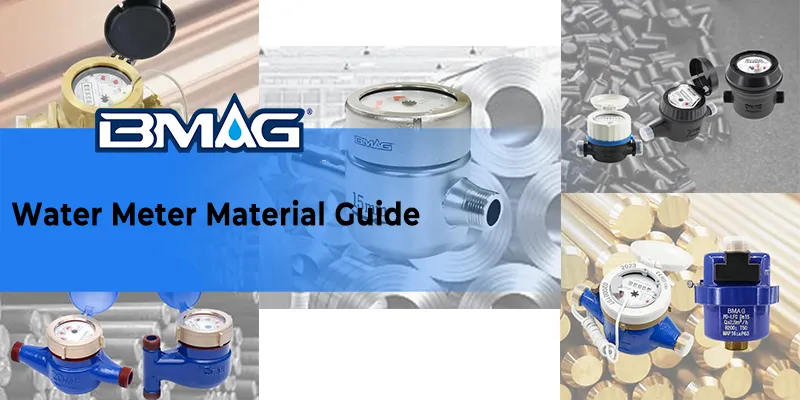
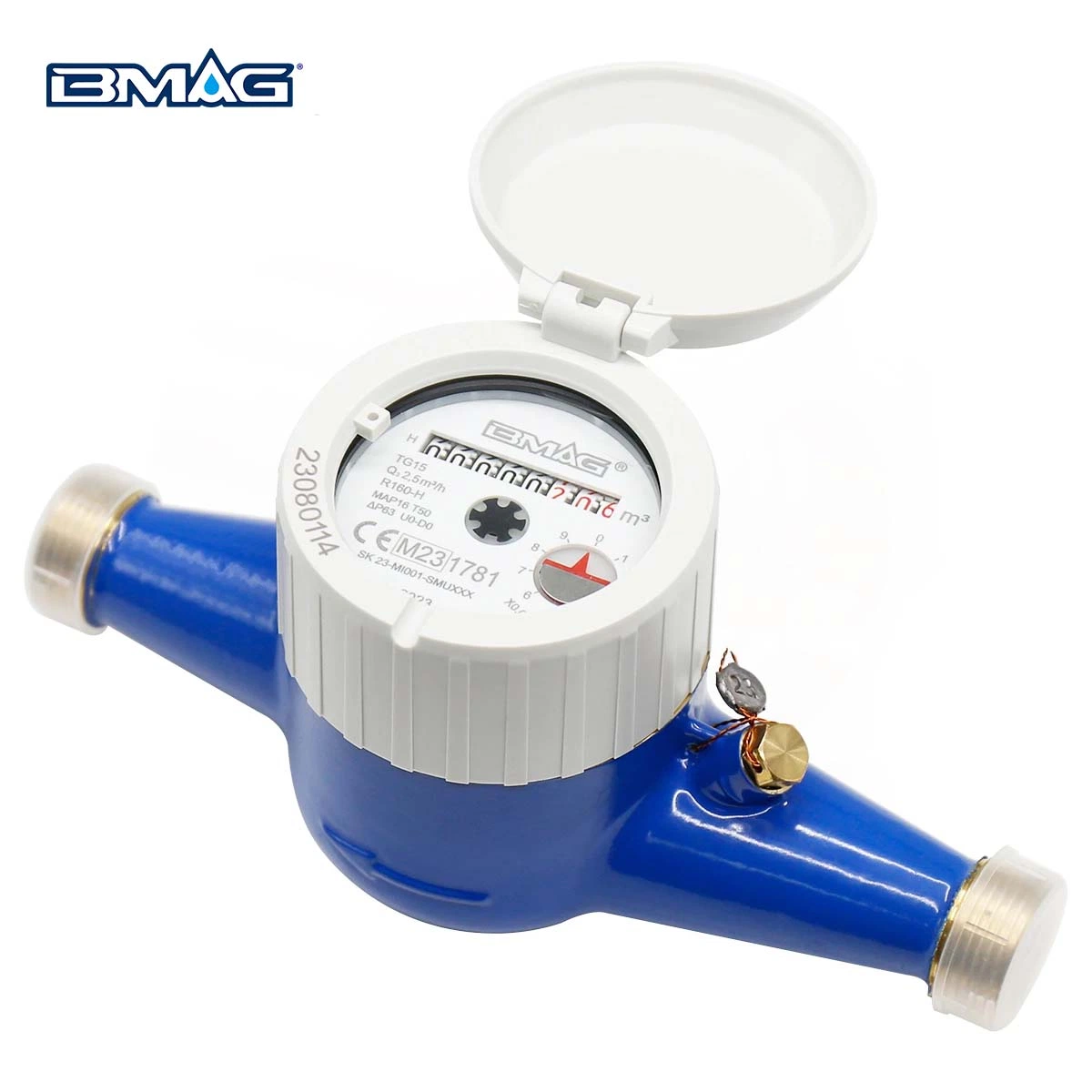
Plastic water meters offer a substantial cost advantage over their metal counterparts. On average, plastic water meters are 10-30% less expensive than brass or bronze meters of similar size and functionality, such as Plastic Multi jet R80 Water Meter This cost reduction is primarily due to lower material costs and more efficient manufacturing processes. For large-scale deployments, this can translate to significant savings for water utilities and, ultimately consumers.

Corrosion Resistance
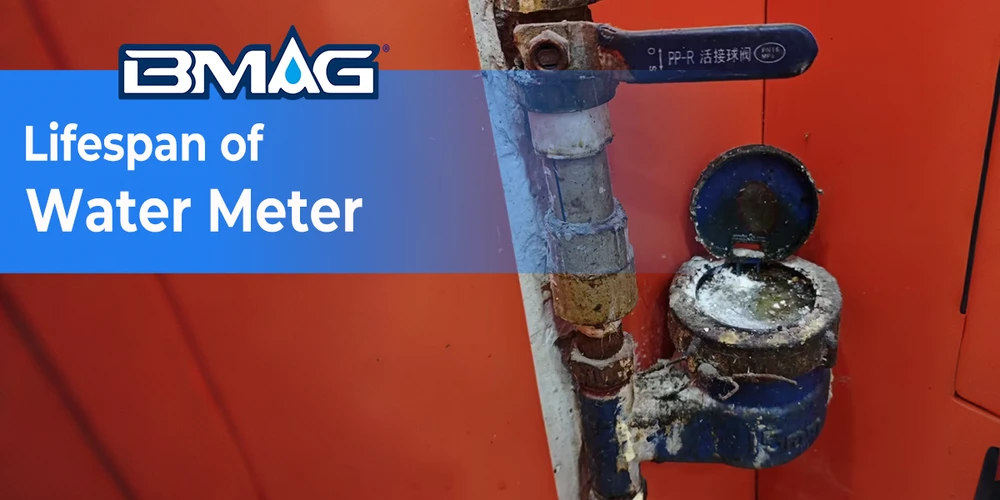
One of the most compelling advantages of plastic water meter is their corrosion resistance. Unlike metal meters, which can corrode over time due to exposure to various water chemistries, polymer meters remain inert. Tests have proven that polymer water meters can maintain stable performance and measurement accuracy in environments with pH levels ranging from 4 to 12, far exceeding the typical pH range of 6.5 to 8.5 found in most municipal water supplies. However, if the pH value exceeds this range, we recommend using clamp-on ultrasonic water meters, which do not come into contact with the liquid inside the pipe, eliminating pH limitations. This corrosion resistance ensures longer service life and more accurate readings over time.

Rust-Free
Closely related to corrosion resistance is the fact that plastic meters do not rust. Rust in metal meters can lead to inaccurate readings and potential contamination of the water supply. Polymer water meters eliminate this risk, ensuring clean water delivery and consistent performance throughout their lifespan. This rust-free characteristic is precious in regions with high mineral content in the water supply.

Lightweight
Plastic water meter are significantly lighter than their metal counterparts. For instance, a typical 5/8″ x 3/4″ plastic residential water meter weighs approximately 0.9 lbs (0.4 kg), while a comparable brass meter can weigh up to 3.3 lbs (1.5 kg). This weight reduction of up to 70% offers several benefits:
Easier handling and installation, reducing labor costs and potential workplace injuries
Lower shipping costs for manufacturers and utilities
Reduced strain on pipe connections, potentially extending the life of the surrounding plumbing infrastructure
Important Considerations

While polymer water meters offer numerous advantages, two key factors require careful consideration:
Two Cons of Plastic Water Meters
Pressure Resistance
Polymer water meters generally have lower pressure ratings compared to metal meters. Most polymer meters are rated for a maximum working pressure of 150 PSI (10 bar), while many metal meters can withstand pressures up to 250 PSI (17 bar) or higher. This limitation may make plastic meters less suitable for high-pressure water systems or areas prone to water hammer effects.

Temperature Tolerance
Plastic meters have a more limited temperature range compared to metal meters. Typical polymer water meters are rated for water temperatures between 33°F (0°C) and 122°F (50°C), while metal meters can often handle temperatures up to 194°F (90°C). This restriction may impact the use of polymer meters in hot climates or in applications where high-temperature water is common.
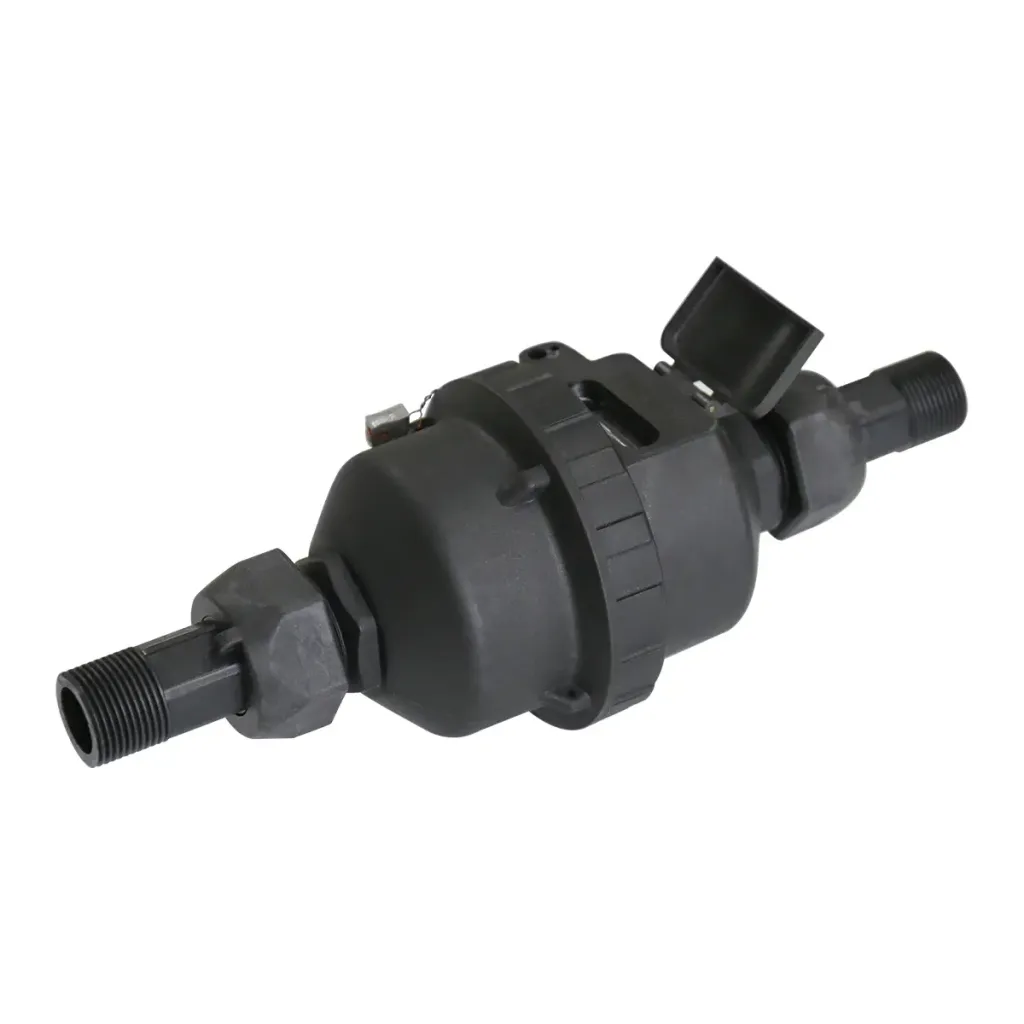
BMAG Plastic Water Meter
Plastic water meters offer compelling advantages in terms of cost, corrosion resistance, rust-free operation, and lightweight design. These benefits make them an attractive option for many water utilities and consumers. These advantages have led to the widespread use of plastic water meters in residential applications. Plastic single-jet meters, plastic multi-jet meters, plastic piston meters, plastic volumetric meters, plastic smart meters, and plastic ultrasonic meters have all become well-established products. They are an attractive choice for many water utility companies and consumers alike.