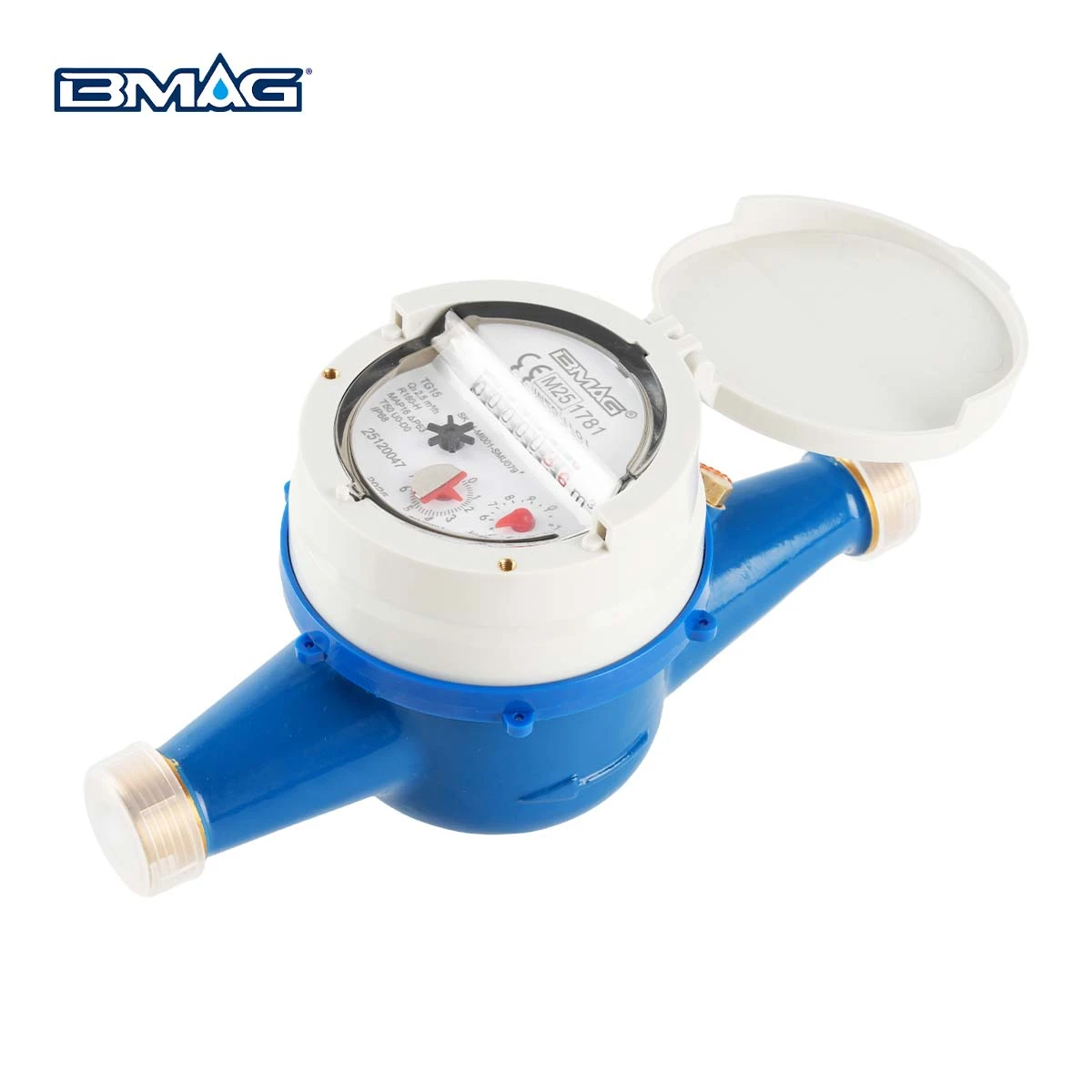
Ever wonder how your water usage is measured so precisely? The secret lies within the water meter Mechanism (also known as the water meter Movement), a complex and crucial component at the heart of every water meter. The water meter Mechanism is a set of precision mechanical devices that can convert water flow into readable measurements, ensuring accurate billing and efficient water management. BMAG has achieved a technological breakthrough by upgrading the accuracy of mechanical water meters to R200 through sophisticated structural design and high-quality material selection.

What is a Water Meter Mechanism?
The water meter Mechanism is the core of your water meter and is responsible for accurately recording water consumption. As water flows through the meter, it spins an impeller (also referred to as a vane in water paddle wheel), which drives a gear train connected to the water meter register (or water meter dial). This register displays the cumulative water usage, providing the basis for your water bill. The movement’s precision and durability are paramount for fair billing and sustainable water management. Think of it as the “heart” of your water meter, pumping life into the measurement process.
Components of a Water Meter Mechanism:
A typical water meter Mechanism comprises several key components:
수도 계량기 등록: The water meter register consists of a Water Meter Counter and a Gear train. Divided into plastic register, glass register, or brass register.

Water Meter Counter: The water meter counter consists of multiple digit wheels. Liquid-sealed counters typically use glycerin to effectively reduce mechanical wear.

Water Meter Gear train: The compound Gear Train of the water meter consists of 4 to 12 interconnected gears, with the number determined by the digit count of the meter. This gear system allows for varying torque at different positions, enabling a decimal-counting effect. Where the first gear rotates one circle the second gear rotates 1/10 circle, and so on. The number of impeller rotations is converted into different units of water consumption such as cubic meters or gallons.

Water Meter Gear Fixing Plate: The gear fixing plate features a large hole for securing the counter, along with several smaller holes for fastening the gear shafts.
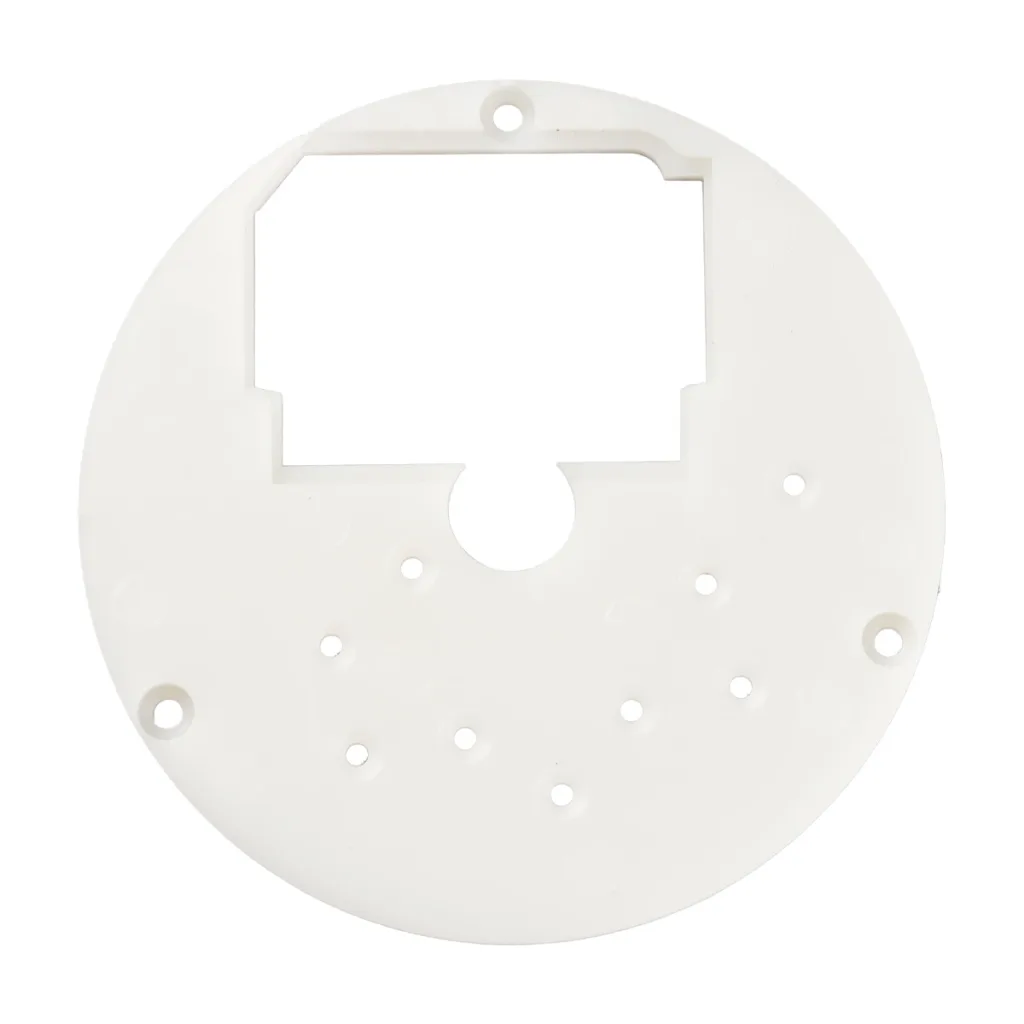
Bottom Plate: The bottom plate is designed to stabilize the entire Water Meter register.
Gear Chamber: This protective chamber is a delicate counter mechanism, shielding it from dust, debris, and moisture. Different materials offer varying levels of protection, with brass casings providing the highest level of sealing, often achieving an IP68 rating.

Water Meter Anti-Magnetic Ring: This crucial component, typically a ferrous metal ring, safeguards the movement from external magnetic fields. It prevents tampering and ensures accurate readings by preventing magnets from influencing the impeller’s movement.
Water Meter Impeller: The impeller also named Turbin or Vane Wheel, is the key sensor of the water meter. As water flows through the meter, it causes the impeller to rotate. This rotation is then transferred through the gear train to the counter.

Impeller Chamber: The plastic box that holds the impeller has holes on the side for water to flow in and out, and a fixed shaft in the middle to hold the impeller in place.

Water Meter Bottom Strainer: This Bottom Strainer acts as the second line of defense against debris like rust, sand, and fibers(There is a first strainer at the water meter inlet). By preventing these particles from entering the Mechanism, the filter screen protects the delicate components and ensures long-term accuracy and reliability. A well-designed filter screen features numerous small holes to minimize flow restriction even if some holes become blocked.

O-rings: Used between two parts to create a watertight seal between components.
Types of Water Meter Movements:
Water meter movements can be categorized in several ways:
- Single-Jet vs. Multi-Jet: Single-jet Mechanisms have one inlet and outlet port, while multi-jet Mechanisms have multiple ports, allowing for more accurate measurement at varying flow rates.
- Dry vs. Wet: Dry mechanisms have the register isolated from the water flow, while wet mechanisms have the register submerged in water or a lubricating fluid (often glycerin). Dry mechanisms are preferred for higher-accuracy applications.
- Liquid Sealed: Some Mechanisms are sealed with liquid (typically glycerin) to lubricate the gears and provide additional protection against debris and wear. These can be fully sealed, where the entire mechanism is submerged, or semi-sealed. The clarity of the liquid seal is crucial for accurate reading.

Materials Matter:
The materials used in the construction of a water meter mechanism significantly impact its lifespan and accuracy. Common materials include ABS and POM. While ABS offers good impact resistance and affordability, POM boasts superior strength, rigidity, and self-lubricating properties, making it ideal for long-lasting performance.
ABS 757, a modified ABS, compared with ordinary ABS, has stronger wear resistance, good dimensional stability, and oil resistance, and is often used as the raw material for water meter mechanisms.
BMAG’s Breakthrough: R200 멀티젯 수도 계량기
Common mechanical water meters on the market typically have accuracies of R80 to R160. However, after years of continuous development, BMAG has achieved an impressive accuracy of R200. This advancement is a result of our ongoing investment and refinement in water meter design and material selection, leading to higher precision and improved quality in our products.
Contact customer service to learn about the product.