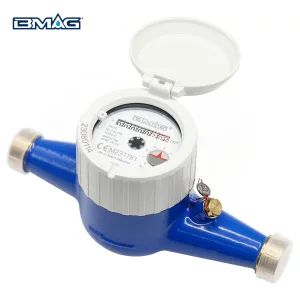
Multi-Jet Water Meter

Categorieën
Neem nu contact op!

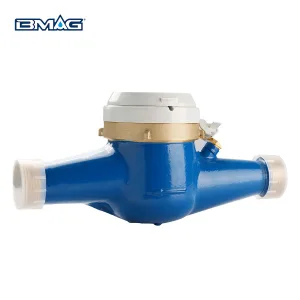
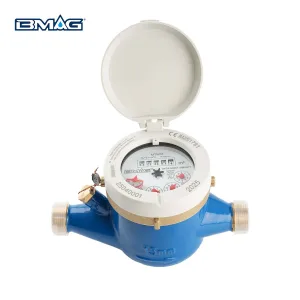
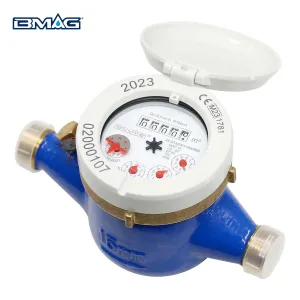
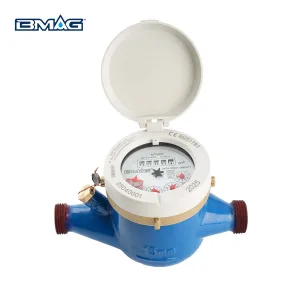
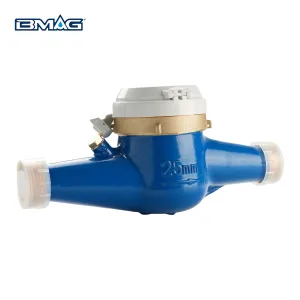

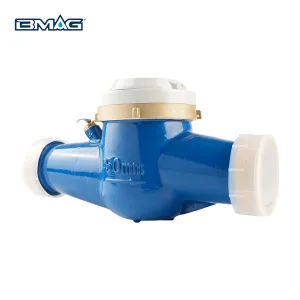

Schaf de perfecte watermeter aan voor uw project.
Bij BMAG METER produceren we al meer dan 25 jaar watermeters en onze ervaring in de sector spreekt voor zich. We bieden watermeters met alle beschikbare technologieën voor diverse toepassingen: huishoudelijk, agrarisch en industrieel.

What is Multi-Jet Water Meter?
The multi-jet water meter is the most common velocity-type water meter. “multi-jet” represents multiple water inlets, which can make the flow more uniform and the measurement results more accurate.
Multi-Jet Water Meter Principle
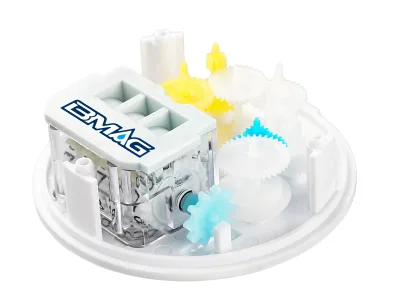
The core working principle of the multi-jet water meter is to use multiple water inlets to evenly introduce water flow into the metering chamber and drive the impeller to rotate. The water consumption is displayed by using the combination of differential gears.
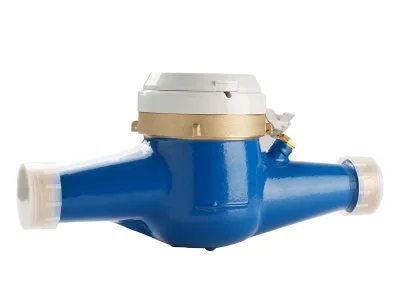
BMAG Meter's Multi-Jet Water Meter Advantages
High Accuracy: Multiple jets distribute water flow evenly onto the impeller, ensuring balanced forces. This reduces metering errors and maintains good accuracy, especially at low flow rates.
Good Durability: The multi-jet design distributes wear evenly on the impeller bearing, extending service life. It’s also less sensitive to small impurities, reducing the risk of clogging or damage.
Cost-effective: Multi-jet meters are generally more expensive to produce, while single-jet meters are typically a lower-cost option.
Differences Between Multi-Jet Water Meters and Single-Jet Water Meters
Structure: Multi-jet water meters use multiple inlet ports for balanced impeller impact, unlike single-jet meters which use a single tangential inlet.
Lifespan: Multiple-jet water meters typically offer a longer lifespan due to more even wear on components, whereas single-jet meters are prone to faster, uneven wear.
Cost-effective: Multi-jet meters are generally more expensive to produce, while single-jet meters are typically a lower-cost option.
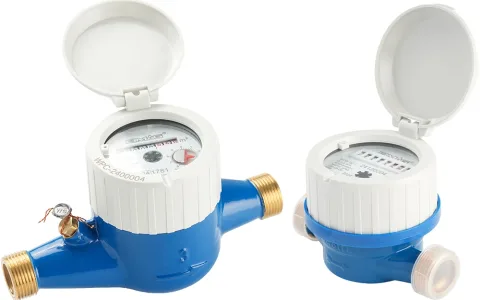
Multiple Jet Water Meter Parameters
Types of Multi Jet Water Meters
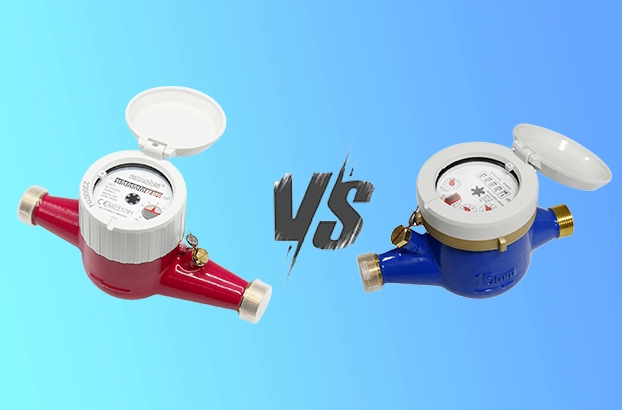
Classified by medium temperature: Cold multi-jet water meter En Hot multi-jet water meter
Classified by counter structure: Wet-dial meter, Dry-dial meter, En Liquid-sealed register meter
Material of Multiple Jet Water Meters
Brass: Brass is the most commonly used material for water meters, featuring excellent mechanical strength, corrosion resistance and processability.
Bronze: Similar to brass, it has better corrosion resistance, but its cost is slightly higher than that of brass. Fewer water meters choose bronze as the material.
Cast Iron: Cast iron material is usually used for large-diameter water meters (>DN50), with a relatively low cost. However, it is prone to rust and has high requirements for anti-corrosion coatings.
Stainless Steel: Stainless steel water meters have the best corrosion resistance, but they are relatively expensive and difficult to process. They are usually used in Marine and special industries.
Plastic: Plastic water meters typically use reinforced nylon, PPO, etc. Light in weight, rust-free and low in price.
Thread Types of Multi Jet Water Meters
BSP (British Standard Pipe thread): BSPT En BSPP
BSP thread is the most widely used standard for Multi Jet Water Meters
NPT (National Pipe Thread): NPT En NPSM
NPT thread is the national standard pipe thread of the United States and is mainly used in North America
Lifespan of Multi Jet Water Meters
The service life usually provided by Multiple Jet Water Meter manufacturers is between 10 and 15 years.
The replacement life standards vary from different countries, generally ranging from 6 to 15 years.
Size of Multi Jet Water Meters
The general size range of multi-jet water meters is DN15 – DN50
Inch size of multiple-jet water meters: 1/2″ – 2″


Multi-Jet Water Meter Standards
ISO 4064 (International Standard): This is the most core international standard for multi-jet water meters (cold water and hot water).
OIML R49 (Recommended by the International Organization of Legal Metrology) : It is basically consistent with ISO 4064 and serves as the blueprint for many countries to formulate their own multiple-jet meters regulations.
EN 14154 (European Standard) : This is a commonly used multi-jet water meter standard in Europe and is basically compatible with ISO 4064.
MID (EU Measuring Instruments Directive 2014/32/EU): Multiple-jet Water meters sold in the EU market must comply with the MID Directive and bear the CE marking. MID usually refers to EN 14154 as the technical specification.
AWWA C708 (American Water Industry Association Standard) : An American standard for multi-jet cold water meters.
NSF/ANSI 61 (Standard for Health Impacts of Components in Drinking Water Systems): It mainly focuses on the safety of materials in contact with drinking water and is a mandatory or recommended certification in regions such as the United States.
Working Temperature of Multi Jet Water Meters
Cold Multi-Jet Watermeter
According to ISO 4064, cold multi-jet water meters are designed for the temperature range:
T30: 0.1 °C to 30 °C (32℉ to 86℉)
T50: 0.1 °C to 50 °C (32℉ to 122℉)
Hot Multi-Jet Watermeter
According to ISO 4064, the common temperature grades of hot multiple-jet water meters are:
T70: (30°C or 50°C) to 70 °C (86℉ to 158℉)
T90: (30°C or 50°C) to 90 °C (86℉ to 194℉)
Why Choose BMAG Multi-Jet Water Meter?
Multiple Materials Choices:
Brass, Bronze, Lead Free Metal,
Cast Iron, Plastic
High Accuracy:
R80 - R100 - R160 - R200
Large Size Range:
D: ½″ - 2″
L: 165 - 300
DN15 - DN50
High Protection Grade:
IP68 dustproof and waterproof
Gebruiksvriendelijk ontwerp:
360° draaibare wijzerplaat voor gemakkelijke aflezing
Technologie voor transmissie op afstand:
Pulsoutput kan worden geleverd
Ondersteuning van lezen op afstand
Multi-Jet Water Meter FAQ
Your Trusted Multi-Jet Water Meter Manufacturer With 20+ Manufacturing Experience
BMAG's multi-jet water meters are designed according to ISO 4064 Class B/Class C standards, featuring high-quality lead-free brass/DZR or technical plastic bodies to ensure durability in residential and industrial applications.
The working principle of the Multi jet water meter is mainly based on the water flow through a measuring chamber with multiple nozzles, which disperse the water flow into multiple symmetrical jets that impact the rotating impeller.
This design allows the impeller to be evenly subjected to forces from all directions, thus better balancing the forces acting on the impeller and reducing wear on moving parts and improving durability.
The meter should be installed in the horizontal position with the direction of the flow as indicated by the arrow cast on the meter body with the register face upwards
• Pipeline must be cleaned before installation;
• The meter should be constantly full of water during operation;
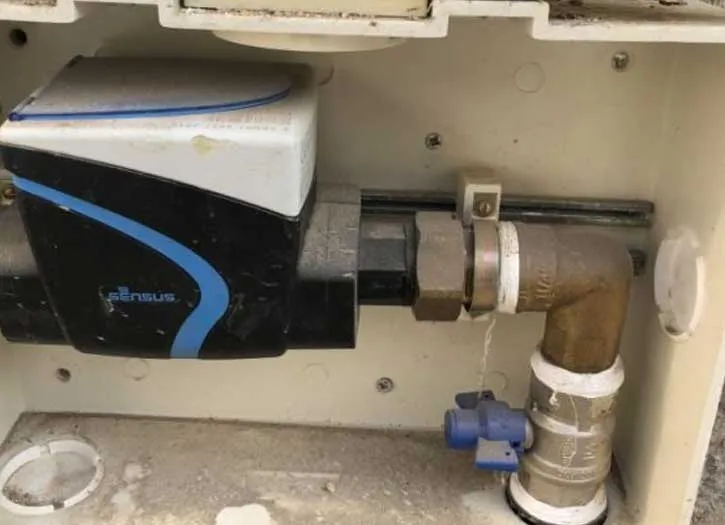
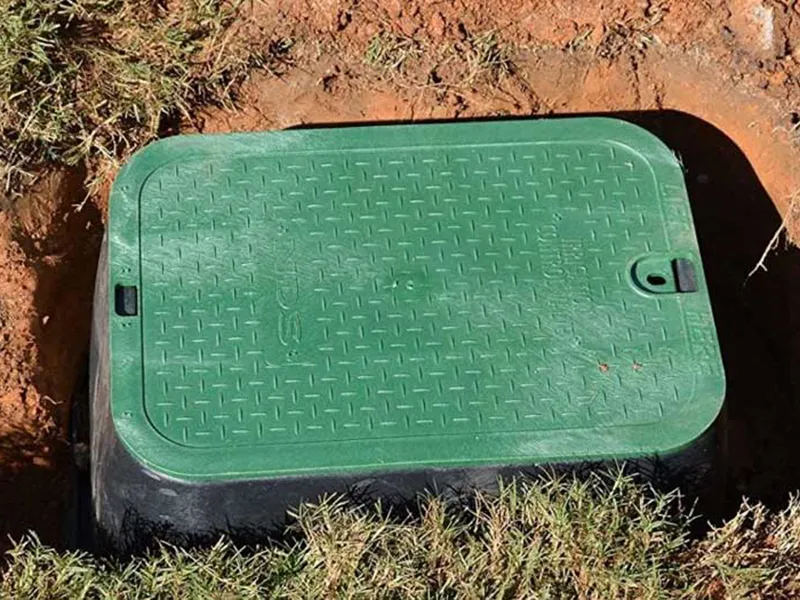
BMAG suggests installing the water meter as follows and in the water meter box:
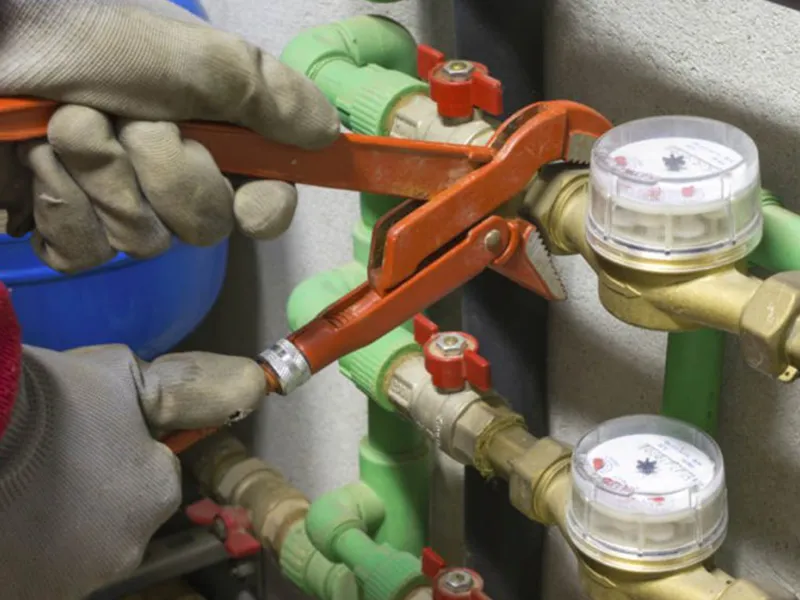
Before starting to install the multi jet water meter, you need to turn off the water supply. Use tools such as screwdrivers and wrenches to unscrew and remove the screws connecting the old water meter to the water pipe. Select a water meter of the same diameter according to the diameter of the water pipe.
Install reducing bushings on both ends of the water meter to ensure that they match the water meter and the pipe.
Install the water meter on the water meter nipple (water meter coupling) through the reducing bushing, ensuring that the direction of the arrow is consistent with the direction of water flow.
Use PTFE tape on all threaded connections to enhance sealing.
Install a control valve at one end of the water meter to facilitate the removal and maintenance of the water meter.
When the original water meter becomes inaccurate, is damaged, and does not count, when the government-prescribed period of use expires, we need to replace the water meter. In addition, water meters will also be replaced collectively during area renovation.
The rules for replacing water meters vary from country to country, for example, in Germany, water meters must be replaced every 6 years. In Spain, water meters must be replaced after 12 years unless they are verified to be accurate.
Water meter anomalies can be monitored through water company data and judged based on the difference between actual water supply and meter reading data.
There are two types of multi jet water flow meters, which can be used for cold water and hot water flow measurement.
In daily life, multi jet water flow meters are suitable for water-using environments such as homes, residential services, commerce, agriculture and gardening.
In industrial production processes, multi jet water flow meters are also commonly used in environments with large amounts of water, especially paper mills.
Dry Dial Multi-Jet Meters
Dry Dial Multi-Jet Meters are also called Dry Type Multi-Jet Meters. There is no liquid in the Multi-Jet Meters that is in direct contact with the measuring element, improving its durability and reducing maintenance requirements. Compared with wet water meters, it can prevent fogging, is easy to read, and is more advanced.
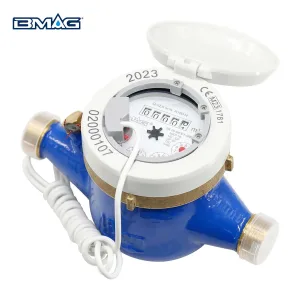
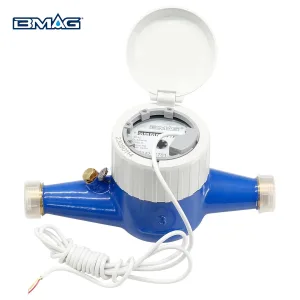
Pulse Output Multi-Jet Meters
Pulse Output Multi-Jet Meters will generate a pulse signal when a certain volume of water flows through. This pulse signal can be read and processed by electronic devices to accurately measure and monitor water flow.
Depending on the material
Multi jet water flow meters can also be divided into plastic multi jet water flow meters, brass multi jet water flow meters, stainless steel multi jet water flow meters, cast iron multi jet water flow meters, etc.
According to temperature
It can be divided into: cold water meter and hot water meter.
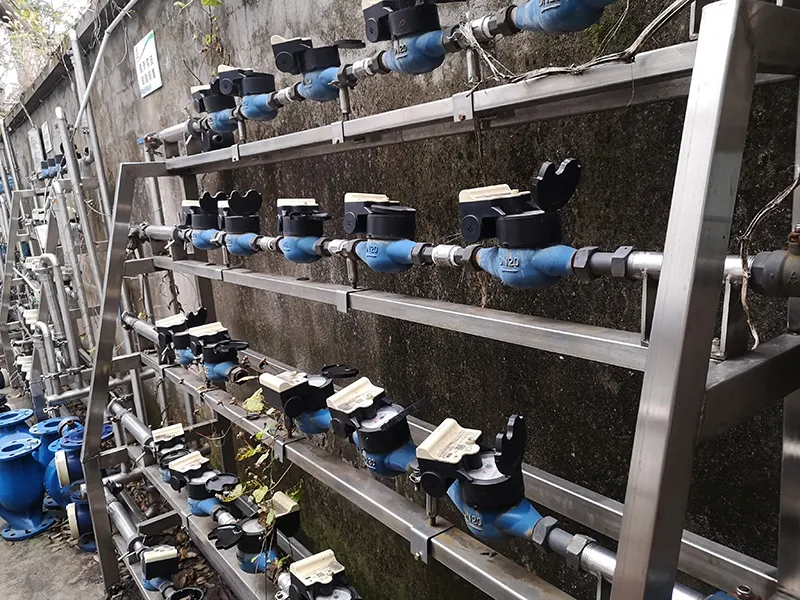
About the coating color, cold water meter is blue, hot water meter is red, and the temperature range is different. Cold water meter cannot be used in hot water system. Hot water meter can be used in cold water system.
Cold water meter: 30℃ (86℉), 50℃ (122℉),
Hot water meter: up to 90℃ (194℉)
US water meter: 105℉ (40℃), 160℉ (71℃)
Wereldwijde aanwezigheid en uitmuntende projecten
Vertrouwd door meer dan 80 landen wereldwijd.
Met meer dan 20 jaar productie-ervaring levert BMAG Meter uiterst nauwkeurige watermeetoplossingen op alle 7 continenten.
Van gemeentelijke watervoorzieningsnetwerken in Europa tot grootschalige irrigatieprojecten in Noord- en Zuid-Amerika en Afrika: onze producten zijn ontworpen om te voldoen aan uiteenlopende regionale normen en milieuomstandigheden.
Snel een aanvraag indienen
Wilt u meer weten over watermeters of bent u op zoek naar oplossingen voor watermeterproblemen? Neem dan contact met ons op voor professioneel advies!
Wij zijn 24/7 per e-mail of telefoon bereikbaar om u te helpen bij de aanschaf van onze watermeterproducten, oplossingen, gebruiksvraagstukken of voor technische ondersteuning.