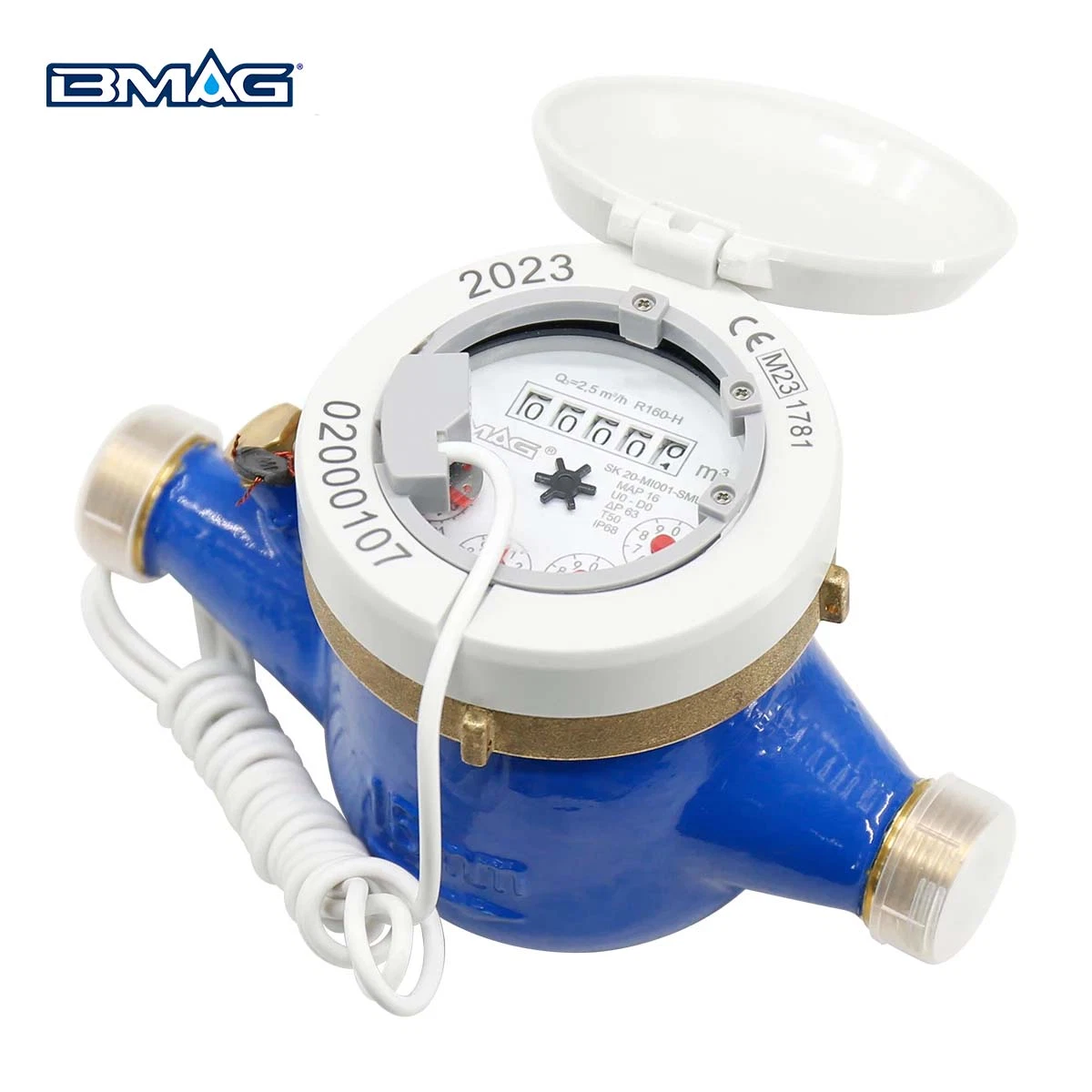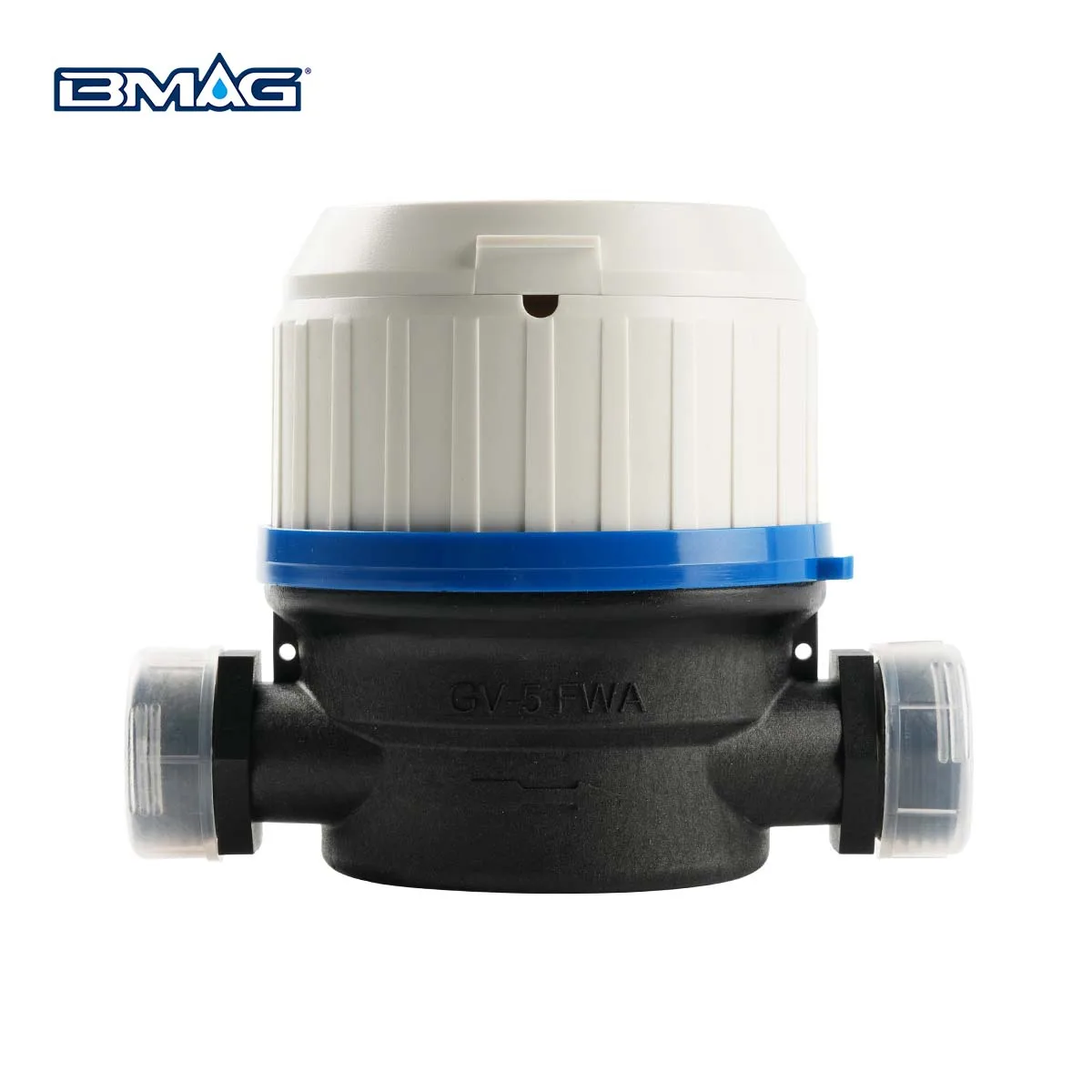
Water meters play an important role in the water system, with hot water meters and cold water flow meters being fundamental instruments in residential, commercial, and industrial sectors. Despite their similar basic functionality, the temperature difference in the measured medium leads to significant variations in design, materials, performance, and applications. This article analyzes the differences between cold water meters and hot water meters, exploring their suitability and technical requirements in various application scenarios.
1. Design and Materials
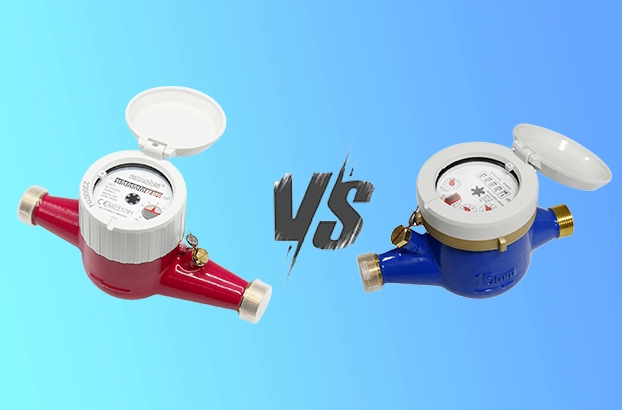
There are obvious differences in design and material selection to accommodate varying temperature requirements between hot water meters and cold water meters.
Cold Water Meters: Typically used for measuring water temperatures ranging from 0°C (32°F) to 30°C (86°F), and in some cases up to 50°C (122°F). The primary materials used include brass, bronze, and plastic. Given the relatively stable environment of cold water, the material selection focuses more on corrosion resistance and cost-effectiveness. Standards like EN 14154-1:2014 outline the material requirements for cold water meters, emphasizing rust and corrosion resistance.
Hot Water Meters: These meters, also known as water meters for hot water, measure temperatures usually between 30°C (86°F) and 90°C (194°F). To withstand high temperatures, hot water meters require more stringent material choices, such as high-temperature alloys, heat-resistant plastics, and stainless steel. According to EN 1434-1:2015, hot water flow meters must possess higher material strength and durability to resist the impact of high temperatures on their structural integrity.
2. Measurement Accuracy and Performance

Measurement accuracy is a critical performance indicator for water meters, with notable differences between cold water flow meters and hot water meters.
Cold Water Meters: They generally have an accuracy of flow rate (Q) ±2%. Suitable for monitoring daily water use in residential and commercial settings, cold water flow meters benefit from a stable measurement environment. Their flow sensors and measurement devices are relatively simple in design, making them easy to maintain and calibrate.
Hot Water Meters: Often used in energy billing scenarios like heating systems in schools, apartments, and hotels, as well as industrial hot water applications, hot water flow meters require slightly higher measurement accuracy than cold water meters. Their sensors and measurement devices must maintain stable performance in high-temperature environments to ensure data accuracy and reliability.
3. Color and Cost
Hot water meters and cold water flow meters also differ significantly in terms of appearance and cost.
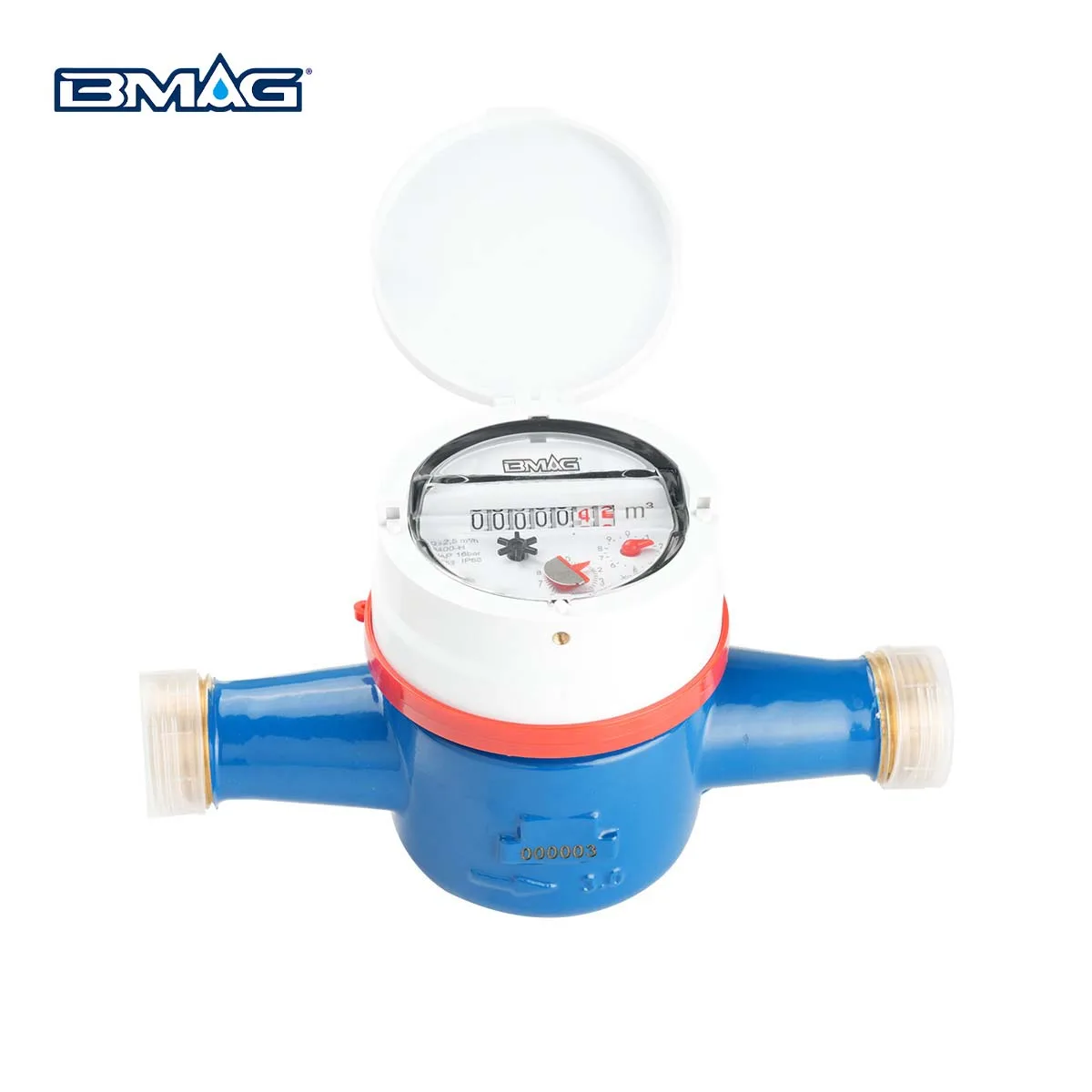
Cold Water Meters: They usually have blue or green housings, aiding in quick identification during installation and maintenance. With relatively lower material and technical requirements, cold water meters are typically more economical, making them suitable for large-scale deployment.
Hot Water Meters: These meters often have red or orange housings to denote their high-temperature measurement capability. Due to the higher material and technical standards required for high-temperature environments, hot water flow meters are more expensive to manufacture and thus costlier than cold water meters.
4. Application Scenarios and Functions
The application scenarios and functions of cold water flow meters and hot water meters are distinctly different.
Cold Water Meters: Primarily used in residential water supply, commercial water usage, and public water systems. Their functions include measuring water usage in homes and businesses, monitoring water flow in public water systems, and detecting leaks and abnormal water usage. Cold water sub-meters are often employed in multi-unit residential buildings for individual unit billing.
Hot Water Meters: Widely used in heating systems and industrial hot water supply. Their primary function is to measure hot water flow, ensuring the proper operation of hot water supply systems. Hot water flow meters are often equipped with advanced electronic sensors and data communication modules for real-time monitoring and analysis of hot water usage.
5. Standards and Regulations
The production and use of cold water flow meters and hot water meters are governed by different standards and regulations.
Cold Water Meters: Designed and manufactured by standards such as EN 14154-1:2014, which specifies the technical requirements, testing methods, and performance indicators for cold water meters. In the United States, AWWA C700-15 outlines specific requirements for the manufacture and testing of cold water meters.
Hot Water Meters: Must comply with standards like EN 1434-1:2015 and relevant national standards. For instance, the EU’s Measuring Instruments Directive (MID) 2014/32/EU sets strict requirements for the measurement accuracy, reliability, and safety of hot water flow meters.
6. Installation and Maintenance
The installation and maintenance of cold water flow meters and hot water meters also have different considerations.
Cold Water Meters: Typically installed indoors or underground to avoid direct sunlight and freezing. Proper installation involves ensuring the meter is horizontally placed with correct inlet and outlet directions to maintain measurement accuracy. Maintenance includes regular inspections and cleaning to prevent scale and debris from affecting measurement accuracy.
Hot Water Meters: Due to the need to operate in high-temperature environments, hot water meters are typically installed in the high-temperature sections of piping. Special attention must be paid to the high-temperature aging rates of associated components such as sealing gaskets, smart accessories, and wiring during installation, to prevent damage and variations in measurement accuracy caused by excessive temperatures. The maintenance requirements for hot water meters are more stringent, necessitating regular calibration and sensor replacement to ensure long-term stable measurement performance.
7. Technical Challenges and Development Trends
Cold water flow meters and hot water meters face different technical challenges and opportunities in their development.
Cold Water Flow Meters: The main technical challenges include improving measurement accuracy and anti-interference capabilities. With the development of IoT technology, intelligent cold water meters are becoming a trend, featuring remote communication and data analysis functions. New intelligent cold water flow meters using ultrasonic technology can maintain high accuracy even under low flow conditions and are not affected by impurities and bubbles in the water.
Hot Water Meters: Face challenges in maintaining reliability and accuracy under high-temperature conditions. To solve the impact of high temperatures on measuring devices, hot water flow meters continuously adopt more advanced materials and technologies, such as high-temperature alloys and high-precision electronic sensors. In the future, with increasing demands for energy conservation, smart hot water meters will play a more significant role. They will not only accurately measure hot water flow but also record and analyze hot water usage data to help users optimize their hot water consumption.
Conclusion
Hot water meters and cold water flow meters differ significantly in terms of design, materials, measurement accuracy, application scenarios, and standards. These differences are primarily due to the varying temperature requirements of the measured medium, leading to different technical requirements and environmental considerations. As technology advances and standards improve, hot water flow meters and cold water meters will continue to play vital roles in their respective fields, providing reliable support for water resource management and energy measurement.
References
- European Committee for Standardization. EN 14154-4:2023
- American Water Works Association. AWWA C700-15, Cold Water Meters – Displacement Type, Metal Alloy Main Case. AWWA.
- South African Bureau of Standards. SANS 1529-1:2017, Water meters for cold potable water and hot water – Part 1: General requirements. SABS.
- European Parliament and Council. (2014). Directive 2014/32/EU of the European Parliament and of the Council on measuring instruments (MID).